WHAT TO PACK FOR AN ALASKA FISHING TRIP: THE COMPLETE CHECKLIST
WHY PACKING RIGHT MATTERS IN ALASKA
Alaska isn't like fishing anywhere else. The weather can shift from 70 and sunny to 45 and raining in a few hours. You're often far from stores. And the fishing is physical — you'll be on your feet for hours, wading rivers, hauling gear, and handling fish in conditions that demand the right clothing and equipment.
Packing wrong doesn't just mean discomfort — it can mean cutting a fishing day short because you're soaked and freezing, or missing a critical piece of documentation that prevents you from buying a license.
This checklist covers everything you need for a Kenai River fishing trip. If you're staying at Marlow's on the Kenai, fishing gear (rods, reels, tackle, and waders) is provided free of charge — so you can focus on packing the essentials and leave the heavy equipment to us.
CLOTHING: LAYERS ARE EVERYTHING
Alaska's Kenai Peninsula can see temperature swings of 30 degrees in a single day. The key is layering — you want to add and remove layers as conditions change without ever being too hot or too cold.
Base layers (2-3 sets): Moisture-wicking synthetic or merino wool tops and bottoms. Cotton kills in Alaska — it holds moisture and chills you fast. Pack at least two full sets so you always have a dry backup.
Mid layers (2 sets): Fleece jacket or pullover, insulated vest, or light down jacket. A good mid layer traps heat without bulk. Fleece dries fast if it gets wet, which makes it ideal for river environments.
Outer layer — rain gear: This is non-negotiable. A quality waterproof rain jacket and rain pants are the most important items in your bag. Look for breathable waterproof fabrics (Gore-Tex or similar). You'll wear these on the boat, on the bank, and walking to and from fishing spots. Don't cheap out here — a $30 poncho won't cut it in a Kenai River downpour.
Warm hat and gloves: Even in July, early mornings on the water can be cold. A fleece beanie and lightweight waterproof gloves make a huge difference during a dawn start.
Sun protection: A brimmed hat or baseball cap, polarized sunglasses (essential for seeing fish in the water), and sunscreen. Alaska's summer sun is intense with 18+ hours of daylight, and you'll burn faster than you expect — especially on the water where glare doubles the exposure.
Footwear: Waterproof hiking boots for walking trails and around camp. Neoprene socks if you plan to wade in provided waders. Sandals or camp shoes for evenings at the cabin.
Extra socks: Pack more socks than you think you need. Wool or synthetic — never cotton. Wet feet end fishing days early.
FISHING GEAR: WHAT TO BRING (AND WHAT'S PROVIDED)
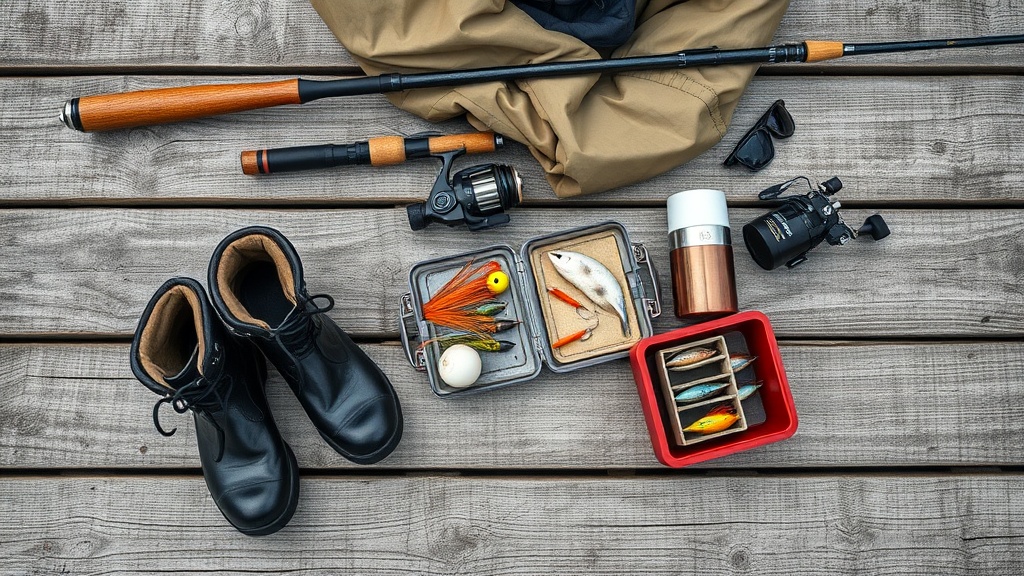
If you're staying at Marlow's on the Kenai, rods, reels, tackle boxes, and hip waders are all provided. You don't need to fly with a rod tube or stuff a tackle bag into your luggage.
What Marlow's provides: - Spinning rods and reels rigged for salmon - Tackle boxes with lures, hooks, weights, and leaders - Hip waders for river bank fishing - Fish cleaning station with fillet knives
What you might want to bring: - Your own fly rod if you're a fly angler (especially for trout in September) - A small personal tackle kit with your favorite lures or flies - A fishing vest or chest pack for organizing gear on the water - Polarized sunglasses (critical for spotting fish — bring a backup pair) - A headlamp for early mornings and late evenings - A waterproof phone case or dry bag for electronics
What you don't need to bring: - Waders (provided) - A cooler for fish (chest freezers on-site) - Fillet knives (fish cleaning station on property) - A net (guides provide these on guided trips)
DOCUMENTS AND LICENSES
This is the section people forget — and it causes real problems. Alaska has specific licensing requirements, and you can't fish legally without them.
Alaska Sport Fishing License: Required for all anglers 18 and older. Non-resident options include 1-day ($25), 3-day ($45), 7-day ($70), and annual ($145) licenses. Purchase online through the Alaska Department of Fish and Game (ADF&G) website before you arrive — it saves time and ensures you're ready to fish on day one.
King Salmon Stamp: Required in addition to your fishing license if you plan to fish for king (chinook) salmon. This is a separate purchase — around $30 for non-residents. Even if you're catch-and-release, you need the stamp if kings are a possibility.
Photo ID: You'll need a valid government ID to purchase licenses and for any guided trips or charter bookings.
Confirmation documents: Print or save digital copies of your lodging reservation, guided trip bookings, and any charter confirmations. Cell service on the Kenai Peninsula can be spotty, so don't rely on pulling up emails on the fly.
Travel insurance (recommended): Flights to Alaska can be disrupted by weather. Travel insurance that covers trip interruption and cancellation is worth considering, especially for longer trips.
PERSONAL ESSENTIALS
Insect repellent: Alaska mosquitoes are legendary. Bring DEET-based repellent or permethrin-treated clothing. The bugs are worst in June and July, particularly near standing water and in the evenings.
Sunscreen: SPF 30 or higher. Reapply frequently, especially on the water.
Medications: Bring any prescriptions you need plus basic first-aid supplies — bandages, pain relievers, antihistamines, and motion sickness medication if you're doing an ocean charter. The nearest pharmacy is in Soldotna, about 15 minutes from Marlow's.
Camera: A waterproof camera or a phone with a waterproof case. You'll want photos of the fish, the scenery, and the wildlife. Alaska delivers on all three.
Binoculars: Optional but great for wildlife viewing. Eagles, moose, and bears are common along the Kenai.
Reusable water bottle: Stay hydrated. Fishing is more physical than people expect, especially on warm July days.
Snacks and energy bars: Bring trail food for long days on the water. Guided trips are often 6-8 hours, and while some guides provide snacks, it's smart to have your own.
NICE-TO-HAVES
These aren't essential, but they'll make your trip more comfortable:
A good book or journal: Evenings at the cabin are peaceful. The fire pit at Marlow's is a great place to unwind after a long day on the water.
Portable battery pack: Keep your phone and camera charged, especially on multi-day trips.
Zip-lock bags: Useful for keeping electronics, licenses, and snacks dry.
Compact daypack: A small waterproof backpack for carrying gear, snacks, and layers on guided trips or hikes.
Playing cards or games: Rain days happen. Having a deck of cards at the cabin turns a weather delay into a good time.
Cooler bag for travel home: If you're shipping fish home through a local processor, you're covered. But if you want to carry a few fillets on the plane, a small insulated bag and freezer packs work for checked luggage.
THE QUICK-REFERENCE PACKING LIST
Clothing: Base layers (2-3), mid layers (2), rain jacket, rain pants, warm hat, gloves, sun hat, polarized sunglasses, waterproof boots, camp shoes, extra socks
Gear: Personal fly rod (optional), favorite lures/flies (optional), fishing vest, headlamp, waterproof phone case, dry bag
Documents: Alaska fishing license, king salmon stamp (if needed), photo ID, trip confirmations (printed), travel insurance docs
Essentials: Insect repellent, sunscreen, medications, camera, binoculars, water bottle, snacks
Nice-to-haves: Book/journal, battery pack, zip-lock bags, daypack, cards/games, cooler bag
Pack smart, layer up, and leave the heavy fishing gear to us. Book your stay at Marlow's on the Kenai and we'll make sure you have everything you need once you arrive.
YOUR ADVENTURE AWAITS
READY TO PLAN YOUR
KENAI RIVER TRIP?
Riverfront cabins with private fishing docks, all gear included, and guided trips coordinated for you. Your Alaska fishing trip starts here.
KEEP READING
RELATED POSTS
KENAI RIVER FISHING REPORT: MID-JULY 2026 (THE REDS ARE RUNNING)
Live Kenai River conditions for mid-July 2026. Sockeye counts are climbing toward peak, and one riverfront cabin just opened for July 16-31.
READ MORE KENAI RIVER FISHING SEASON 2026: MONTH-BY-MONTH GUIDE
Plan your 2026 Kenai River fishing trip with this month-by-month breakdown of salmon runs, trout seasons, and what to expect from May through October.
READ MORE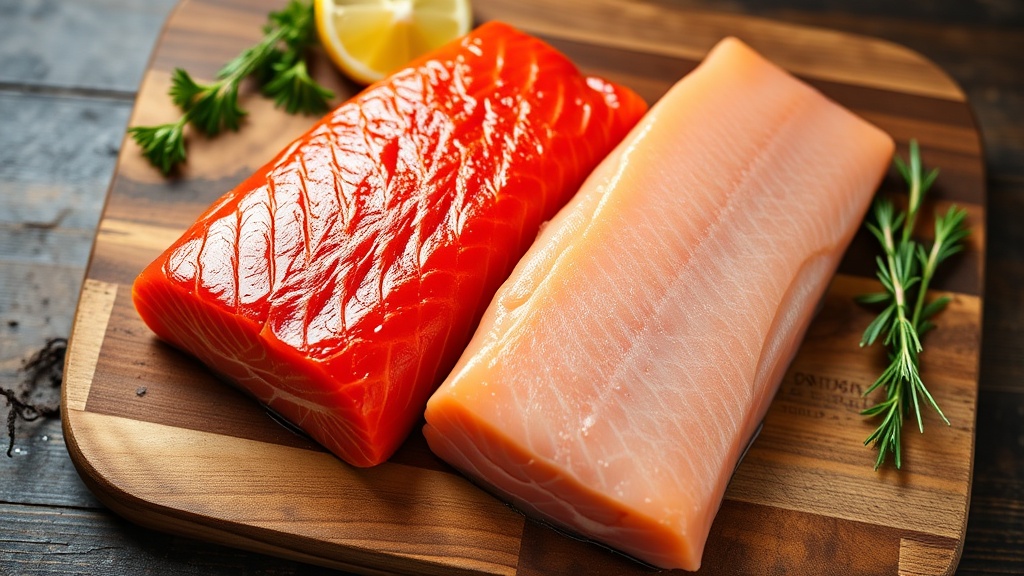
KING SALMON VS SOCKEYE: WHICH KENAI RIVER TRIP IS RIGHT FOR YOU?
Comparing king salmon and sockeye salmon fishing on the Kenai River — season, technique, eating quality, difficulty, and which trip is the better fit for you.
READ MORE