FIRST TIME FISHING IN ALASKA? HERE'S WHAT TO EXPECT
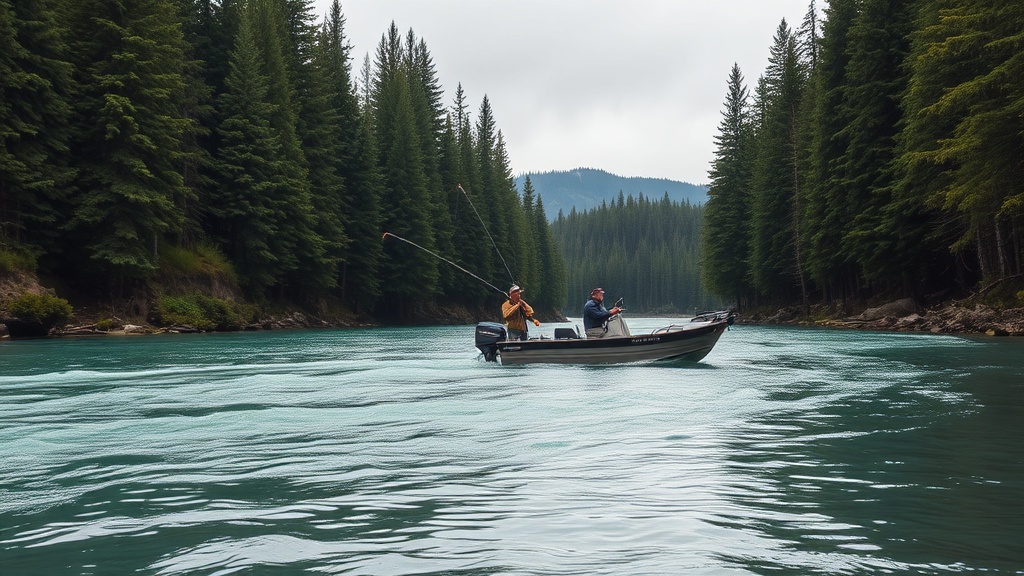
ALASKA FISHING IS MORE ACCESSIBLE THAN YOU THINK
Here's the truth most people don't realize until they get here: you don't need to be an expert to catch fish in Alaska. You don't need expensive gear, years of experience, or some secret technique. During peak salmon season on the Kenai River, the fish are so plentiful and the methods so straightforward that complete beginners regularly outfish people who've been casting for decades.
Alaska fishing has a reputation for being rugged, remote, and intimidating. And parts of it are — fly-out trips to backcountry streams, multi-day float trips in bear country, winter ice fishing in negative temperatures. But the Kenai River, Alaska's most popular and accessible fishing destination, is none of those things. It's a paved-road, lodge-on-the-bank, gear-included experience that's open to anyone willing to show up.
This guide covers everything a first-timer needs to know: what species you'll catch, how the fishing actually works, what to wear, how to get licensed, whether you need a guide, and what a typical day looks like. By the end, you'll realize the only barrier to an incredible Alaska fishing trip is booking it.
WHAT FISH WILL YOU ACTUALLY CATCH?
The Kenai River supports five species of Pacific salmon plus trophy rainbow trout, Dolly Varden, and more. But as a first-timer, here are the species most likely to end up on your line:
Sockeye salmon (July): The most beginner-friendly salmon on the Kenai. They run in massive numbers, the technique is simple to learn, and the bag limits are generous. If you're visiting in July, you'll almost certainly catch sockeye. They average 6 to 10 pounds and are the best-eating salmon in the world.
Silver salmon (August-September): Aggressive fighters that hit lures and flies hard. Silvers are slightly more challenging than sockeye but still very accessible for beginners. They average 8 to 12 pounds and put on an aerial show when hooked.
King salmon (June): The big one — 20 to 50+ pounds of raw power. King salmon are harder to hook and harder to land, and current regulations may limit when and how you can fish for them. Not ideal as a first-timer-only target, but if you're with a guide, anything is possible.
Rainbow trout (May, September-October): The Kenai's resident trout grow fat on salmon eggs and reach sizes rarely seen elsewhere. Trout fishing requires more finesse than salmon fishing — fly rods, drift boats, and a guide who knows the water. Perfect for anglers who want a quieter, more technical experience.
Halibut (May-September): Ocean halibut fishing out of Homer, Seward, or Ninilchik is a completely different experience — deep-sea fishing on charter boats. Halibut are massive (50 to 200+ pounds), the technique is simple (drop bait to the bottom, wait), and the eating is outstanding. A halibut charter makes a great addition to a river fishing trip.
For most first-timers visiting in peak season, sockeye or silver salmon will be the primary target — and you'll catch plenty.
DO YOU NEED A GUIDE?
Short answer: it depends on the species and your comfort level. Here's the breakdown:
You probably don't need a guide for: - Sockeye salmon bank fishing on the Kenai River — the technique is straightforward, the fish are plentiful, and if you're staying somewhere with gear included (like Marlow's on the Kenai), you can walk to the river and start fishing. Fellow anglers on the bank are usually happy to show newcomers the ropes.
You probably do need a guide for: - King salmon fishing — requires a drift boat, heavy specialized gear, and knowledge of specific holding water - Trophy trout fishing — fly fishing from a drift boat in specific sections of the river - Fly-out trips — bush plane access to remote waters - Ocean halibut charters — you're on a charter boat with a captain and crew regardless
Why a guide is worth it even when you don't "need" one: A good Kenai River guide doesn't just put you on fish — they handle the gear, teach the technique, manage the logistics, clean your catch, and share decades of local knowledge. For a first-timer, a guided day eliminates every point of friction and maximizes your time on the water. It's the difference between "we caught a few" and "we crushed it."
Marlow's coordinates guided trips for all species — reach out and we'll match you with the right guide for your target species and dates.
WHAT GEAR DO YOU NEED?
Less than you think. If you're staying at a lodge that provides gear, your packing list shrinks dramatically.
What Marlow's provides (included with your stay): - Spinning rods and reels rigged for salmon - Tackle boxes with appropriate lures, hooks, and weights - Hip waders for bank fishing - Fish cleaning station with fillet knives and freezer storage
What you should bring: - Rain gear — a waterproof jacket and pants (the single most important item in your bag) - Layers — base layers, fleece mid-layer, warm hat - Polarized sunglasses — critical for seeing fish and protecting your eyes - Waterproof boots for walking to and from the river - Insect repellent — Alaska mosquitoes are real - Sunscreen — 18+ hours of summer daylight means long UV exposure - A camera and waterproof phone case
What you don't need: - Your own rod and reel (unless you have a personal favorite) - Waders (provided) - A tackle box (provided) - A cooler (freezers on-site)
First-timers often over-pack on fishing gear and under-pack on clothing layers. Flip that. The gear is handled — your job is to stay warm, dry, and comfortable. Check out our full Alaska fishing packing list for the complete rundown.
FISHING LICENSES: WHAT YOU NEED AND HOW TO GET THEM
Every angler 18 and older needs a valid Alaska sport fishing license. No exceptions, no grace periods. Fish and Game officers patrol the Kenai River regularly, and fishing without a license means a fine and a ruined day.
How to get your license: Purchase online through the Alaska Department of Fish and Game (ADF&G) website. It takes about 5 minutes. You'll get a confirmation number immediately, and you can print or save your license digitally.
License options for non-residents: - 1-day: $25 - 3-day: $45 - 7-day: $70 - 14-day: $105 - Annual: $145
King salmon stamp: If you plan to fish for king (chinook) salmon — even catch-and-release — you need a separate king salmon stamp. It's about $30 for non-residents.
When to buy: Before you arrive. You can purchase online from anywhere, and having it done before you land means you can fish from the moment you get to the river. Don't waste a morning of your trip standing in line at a sporting goods store in Soldotna.
Regulations: Alaska fishing regulations change frequently, especially for king salmon. Check the ADF&G emergency orders page for current Kenai River regulations before every fishing day. Your guide will know the current rules, but it's your responsibility as the angler to fish legally.
WHAT DOES A TYPICAL DAY LOOK LIKE?
Every day is different, but here's what a first-timer's day might look like during peak sockeye season in July at Marlow's on the Kenai:
5:30 AM: Wake up in your riverfront cabin. Make coffee in the full kitchen. Step outside to check the river — you can see it from your door.
6:30 AM: Grab a rod from the gear shed, pull on the provided waders, and walk down to the private fishing dock. The Kenai is already busy with boats, and fish are rolling in the current.
7:00 AM - 11:00 AM: Fish from the bank or dock. During peak sockeye, it's common to land your first fish within 30 minutes. Work through the morning, taking breaks to warm up and refuel. By late morning, you've got 2-3 sockeye on the stringer.
11:00 AM - 1:00 PM: Break for lunch. Clean your morning catch at the fish cleaning station, vacuum-seal fillets, and store them in the chest freezer. Grab lunch in Soldotna (15 minutes away) or cook in the cabin.
2:00 PM - 6:00 PM: Back on the water for the afternoon session. The fish often push upriver in waves, so afternoon can be just as productive as morning. Or take the afternoon to explore — hike to the Russian River Falls, drive to Kenai for supplies, or just nap in the cabin.
7:00 PM: Fire up the outdoor grill at the riverfront kitchen. Cook fresh salmon from today's catch. Share stories around the fire pit. Watch for eagles and moose along the riverbank.
10:00 PM: The sun is still up (barely), the river is still flowing, and tomorrow you get to do it all again.
That's the beauty of staying on the river — there's no commute, no rigid schedule, and no rush. You fish when the fish are there, rest when you need to, and build the trip around your pace.
COMMON FIRST-TIMER MISTAKES (AND HOW TO AVOID THEM)
Mistake #1: Not buying your license before you arrive. Do it online, do it early, and print a copy. Don't let paperwork eat into your fishing time.
Mistake #2: Packing cotton clothing. Cotton gets wet, stays wet, and makes you cold. Wear synthetic or wool base layers. Always.
Mistake #3: Skipping rain gear. It will rain at some point during your trip. Guaranteed. A quality waterproof jacket and pants keep you fishing through it instead of hiding in the cabin.
Mistake #4: Overthinking the gear. You don't need to show up with a fully rigged setup. Lodges and guides provide everything. Focus on clothing and comfort.
Mistake #5: Only planning one fishing day. Alaska fishing trips have weather days, slow days, and "the fish weren't there yesterday but they're everywhere today" days. Build in at least 3-4 fishing days to guarantee good action.
Mistake #6: Not hiring a guide for at least one day. Even if you plan to fish independently most of the trip, one guided day teaches you techniques, spots, and local knowledge that makes every subsequent day more productive.
Mistake #7: Forgetting to arrange fish processing. You'll catch fish. You'll want to take them home. Figure out fish processing and shipping before you arrive — local companies in Soldotna will vacuum-seal, freeze, and ship your catch to your door. Marlow's can recommend trusted processors.
READY TO BOOK YOUR FIRST ALASKA FISHING TRIP?
Alaska fishing isn't just for experts, old-timers, or people who grew up with a rod in their hand. It's for anyone who wants to stand on the bank of one of the most productive rivers in the world, feel a wild salmon pull line off their reel, and experience something that stays with them forever.
Marlow's on the Kenai makes it easy for first-timers. Riverfront cabins, all fishing gear included, private dock access, and a team that helps coordinate guides, fish processing, and trip logistics. You show up, we handle the rest.
Check availability and start planning your first Alaska fishing trip. Peak season books fast — especially July and August — so the sooner you lock in your dates, the better your options.
YOUR ADVENTURE AWAITS
READY TO PLAN YOUR
KENAI RIVER TRIP?
Riverfront cabins with private fishing docks, all gear included, and guided trips coordinated for you. Your Alaska fishing trip starts here.
KEEP READING
RELATED POSTS
KENAI RIVER FISHING REPORT: MID-JULY 2026 (THE REDS ARE RUNNING)
Live Kenai River conditions for mid-July 2026. Sockeye counts are climbing toward peak, and one riverfront cabin just opened for July 16-31.
READ MORE KENAI RIVER FISHING SEASON 2026: MONTH-BY-MONTH GUIDE
Plan your 2026 Kenai River fishing trip with this month-by-month breakdown of salmon runs, trout seasons, and what to expect from May through October.
READ MORE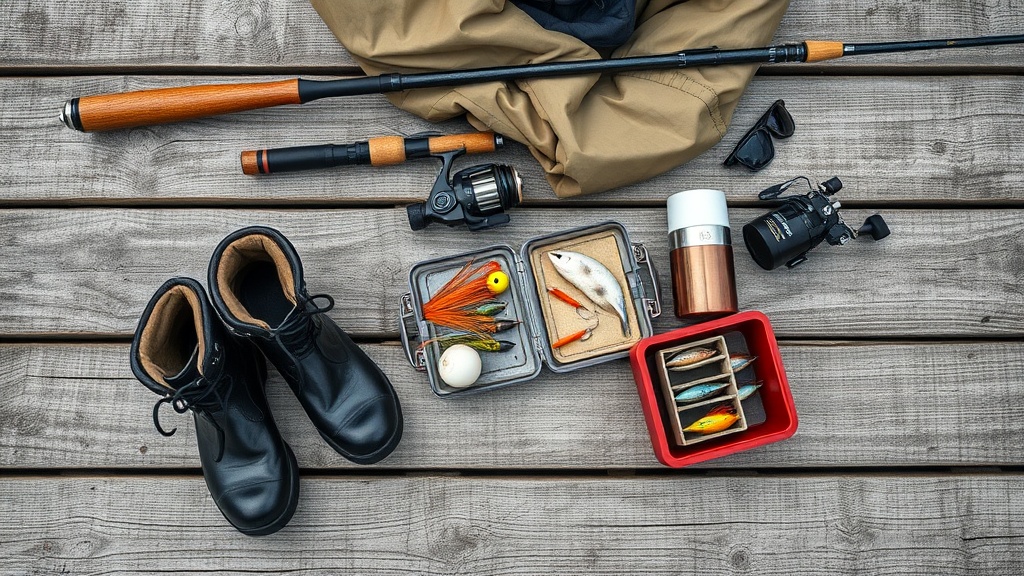
WHAT TO PACK FOR AN ALASKA FISHING TRIP: THE COMPLETE CHECKLIST
Don't forget anything. This Alaska fishing packing list covers clothing, gear, documents, and nice-to-haves for your Kenai River trip.
READ MORE