KING SALMON VS SOCKEYE: WHICH KENAI RIVER TRIP IS RIGHT FOR YOU?
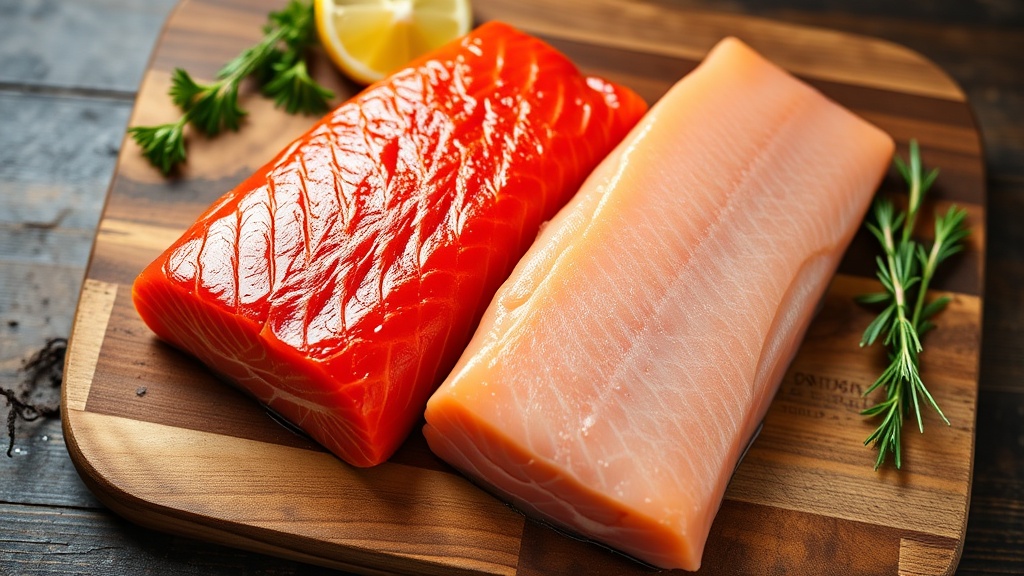
TWO SALMON, TWO COMPLETELY DIFFERENT EXPERIENCES
Quick answer: King salmon and sockeye salmon are different in nearly every way. King salmon (chinook) are the largest Pacific salmon — 20 to 50+ pounds — run in June, are caught from a boat with heavy gear, and deliver a single epic fight. Sockeye salmon (reds) are smaller at 6 to 10 pounds, run in July in massive numbers, are caught from the bank with light gear, and deliver fast, frequent action. Kings are the trophy; sockeye are the freezer-filler and, to most palates, the better-eating fish. If you want one fish of a lifetime, choose king. If you want a cooler full of the best wild salmon there is, choose sockeye.
The Kenai River is famous for both king salmon and sockeye salmon. But they're not interchangeable — they run at different times, fight differently, taste differently, and require completely different techniques. Choosing the wrong one for your trip can mean disappointment. Choosing the right one means the fishing trip of a lifetime.
This guide breaks down everything you need to know to pick the right Kenai River salmon trip: when each species runs, how you catch them, what they taste like, how hard they are to land, and what it costs. By the end, you'll know exactly which trip fits your goals, your skill level, and your schedule.
KING VS SOCKEYE AT A GLANCE
| Factor | King Salmon (Chinook) | Sockeye Salmon (Red) |
|---|---|---|
| Average size | 20–50+ lb | 6–10 lb |
| Peak season | June (early & late runs) | July (two runs) |
| How you fish | Boat — drift/back-troll, heavy gear | Bank — flipping/flossing, light gear |
| Difficulty | Hard; long, physical fights | Beginner-friendly; learn in 15 min |
| The fight | One epic 20–45 min battle | Fast 3–10 min fights, many per day |
| Bag limit | Restricted; often catch-and-release | Generous; ~3/day, 6 in possession |
| Eating quality | Rich, buttery, high-fat | Deep red, firm — best-eating wild salmon |
| Guided trip cost | $250–$400/person (guide required) | $200–$300/person (DIY possible) |
| Best for | Trophy hunters, experienced anglers | Families, beginners, filling the freezer |
THE SEASON: WHEN EACH SPECIES RUNS
King salmon (chinook): The early run enters the Kenai River from mid-May through June. The late run arrives in early July. King salmon fishing is heavily regulated by Alaska Department of Fish and Game, and seasons can open or close on short notice based on run strength. In recent years, restrictions have limited king fishing to catch-and-release only during certain periods. Always check current ADF&G emergency orders before planning a king trip.
Sockeye salmon (red): The first run hits the Kenai River in early July and peaks mid-month. The second run follows in late July through early August. Sockeye runs on the Kenai are massive and consistent — hundreds of thousands of fish enter the river each season. Regulations are more stable and generous than king salmon. Bag limits are typically 3 per day, 6 in possession.
Bottom line: Kings are a June fish with variable regulations. Sockeye are a July fish with reliable regulations and massive runs. If scheduling flexibility is limited, sockeye is the safer bet.
THE TECHNIQUE: HOW YOU CATCH THEM
King salmon: King fishing on the Kenai is a boat-based game. You'll drift or back-troll through known holding water using cured salmon eggs, plugs (like Kwikfish or Mag Lips), or spinner/bait combos. The gear is heavy — 30- to 50-pound test line, stout rods, and large reels with good drag systems. It's a game of patience. You might fish for hours between bites, but when a 40-pound king grabs your offering, you'll understand why people travel thousands of miles for this fish.
Most king salmon trips on the Kenai are guided drift boat trips. The guide positions the boat, manages the presentation, and nets the fish. Your job is to set the hook and hold on. It's physically demanding — a big king can fight for 20 to 45 minutes.
Sockeye salmon: Sockeye fishing on the Kenai is primarily a bank-based technique called "flipping" or "flossing." You cast a weighted fly (typically a bare hook with a small tuft of yarn) upstream and let it drift through schools of passing fish. The technique is repetitive and rhythmic — cast, drift, repeat — but it's effective and surprisingly addictive once you dial it in.
Sockeye don't actively feed in freshwater, so you're not matching a hatch or choosing the right lure. You're intercepting fish as they migrate upriver. The gear is lighter than king fishing — medium-action spinning rods with 10- to 15-pound line. Beginners can learn the technique in 15 minutes.
Bottom line: King fishing is a boat-based trophy hunt requiring patience and heavy gear. Sockeye fishing is bank-based, repetitive, and accessible to anyone. Both are deeply satisfying — just in different ways.
THE FIGHT: WHAT IT FEELS LIKE TO HOOK ONE
King salmon: There's a reason they're called kings. A fresh Kenai River king hits hard, runs fast, and uses every pound of its body to resist. A 30-pound king will peel line off your reel in a screaming run that makes your hands shake. A 50-pound king will make you question your life choices. The fight is long, intense, and physical. Landing a king salmon on the Kenai is a genuine achievement, even for experienced anglers.
Sockeye salmon: Sockeye are smaller (6 to 10 pounds on average) but they punch above their weight. They're fast, erratic, and love to jump. A hooked sockeye will zig-zag through the current, leap clear of the water, and make you work to bring it to shore. The fight is shorter than a king — usually 3 to 10 minutes — but it's exciting and fast-paced. And when you're catching multiple fish per session, the action is constant.
Bottom line: Kings deliver the fight of a lifetime — singular, intense, unforgettable. Sockeye deliver action — fast, fun, and frequent. If you want one epic battle, chase kings. If you want a dozen great fights in a single day, chase sockeye.
THE TABLE: WHICH TASTES BETTER?
This is where it gets personal — and where sockeye might surprise you.
King salmon: Kings are rich, buttery, and high in fat. The flesh is deep orange and melts in your mouth. Grilled, baked, or smoked, king salmon is a luxury protein. It's the salmon you see at high-end restaurants. The only downside: because of regulations and lower bag limits, you may only bring home one or two fish (if retention is even allowed during your visit).
Sockeye salmon: Sockeye is the best-eating wild salmon in the world — and that's not just our opinion. The flesh is deep red, firm, and intensely flavorful. It's leaner than king but richer in color and taste. Sockeye holds up beautifully to grilling, smoking, and canning. And because bag limits are generous (3 per day, 6 in possession), you can fill a freezer with enough fish to last the winter.
Bottom line: King salmon is a decadent treat. Sockeye salmon is the everyday luxury you'll eat all year. Most Kenai visitors who prioritize filling the freezer choose sockeye for the volume and quality.
THE COST: WHAT EACH TRIP RUNS
King salmon guided trip: A full-day guided king salmon drift boat trip on the Kenai runs $250 to $400 per person, depending on the outfitter, time of season, and group size. You'll need a fishing license plus a king salmon stamp (about $100 total for non-residents). Add lodging, meals, and travel — a king-focused trip can run $2,000 to $3,000 per person for a 3- to 5-day visit.
Sockeye salmon trip: Sockeye fishing can be done from the bank without a guide, which makes it significantly cheaper. If you're staying at Marlow's on the Kenai, gear and river access are included. A guided sockeye trip runs $200 to $300 per person if you want instruction and access to the best spots. You'll need a fishing license (no king stamp required). Total trip cost for a 3- to 5-day sockeye-focused trip: $1,200 to $2,500 per person including lodging.
Bottom line: Sockeye trips are more affordable, especially if you're comfortable fishing from the bank with provided gear. King trips cost more due to the guided boat requirement and additional king stamp. Both are worth every dollar.
THE VERDICT: WHICH TRIP SHOULD YOU BOOK?
Choose king salmon if: - You want a trophy-caliber fishing experience - You're an experienced angler who enjoys the challenge - You're willing to work for fewer but bigger fish - You're visiting in June and regulations allow retention - You want bragging rights
Choose sockeye salmon if: - You want action-packed fishing with multiple fish per day - You're a beginner or fishing with family - You want to fill a freezer with world-class eating fish - You're visiting in July - You want a more affordable trip
Choose both if: - You can swing a 5- to 7-day trip spanning late June through mid-July - You want the full Kenai River experience - You're booking the Bucket List Package, which includes multiple guided fishing days
The Kenai River has room for both experiences. The only wrong answer is not going at all.
Ready to plan your Kenai River salmon trip? Check availability at Marlow's.
FREQUENTLY ASKED QUESTIONS
What is the difference between king salmon and sockeye salmon?
King salmon (chinook) are the largest Pacific salmon at 20–50+ pounds, run the Kenai River in June, and are caught from a boat with heavy gear. Sockeye salmon (reds) are 6–10 pounds, run in July in huge numbers, and are caught from the bank with light gear. Kings fight long and hard for a single trophy; sockeye deliver fast, frequent action and far higher bag limits.
Which tastes better, king or sockeye salmon?
It depends on what you want. King salmon is rich, buttery, and high in fat — a decadent treat. Sockeye is leaner with deep-red, firm flesh and intense flavor, and is widely considered the best-eating wild salmon in the world. Most Kenai visitors who want to fill a freezer choose sockeye for the combination of quality and volume.
Is it harder to catch king or sockeye salmon?
King salmon are significantly harder. They require a guided boat, heavy specialized gear, and patience through long fights, and current regulations often limit retention. Sockeye are beginner-friendly — the bank-based flipping technique takes about 15 minutes to learn, and the fish run in massive numbers.
Can you catch both king and sockeye on the same Kenai River trip?
Yes, if your trip spans late June through mid-July you can target the late king run and the first sockeye run. A 5- to 7-day visit gives you the best shot at both species.
Should a first-time angler fish for king or sockeye on the Kenai?
Sockeye. The technique is simple, the fish are plentiful, the gear is light, and you'll likely catch several in a day — ideal for beginners and families. Save king salmon for when you want a guided trophy challenge.
YOUR ADVENTURE AWAITS
READY TO PLAN YOUR
KENAI RIVER TRIP?
Riverfront cabins with private fishing docks, all gear included, and guided trips coordinated for you. Your Alaska fishing trip starts here.
KEEP READING
RELATED POSTS
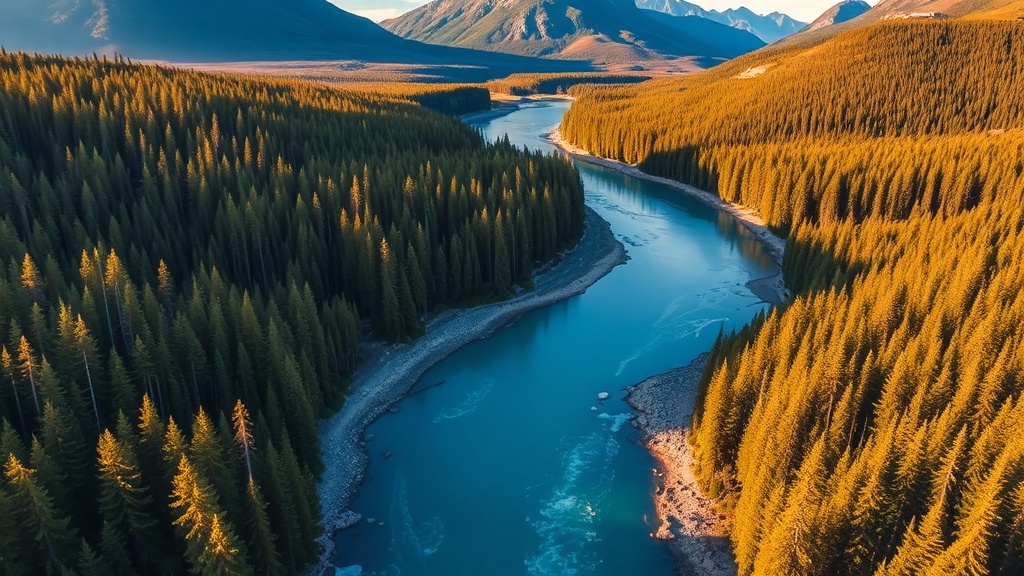
KENAI RIVER FISHING REPORT: MID-JULY 2026 (THE REDS ARE RUNNING)
Live Kenai River conditions for mid-July 2026. Sockeye counts are climbing toward peak, and one riverfront cabin just opened for July 16-31.
READ MORE KENAI RIVER FISHING SEASON 2026: MONTH-BY-MONTH GUIDE
Plan your 2026 Kenai River fishing trip with this month-by-month breakdown of salmon runs, trout seasons, and what to expect from May through October.
READ MORE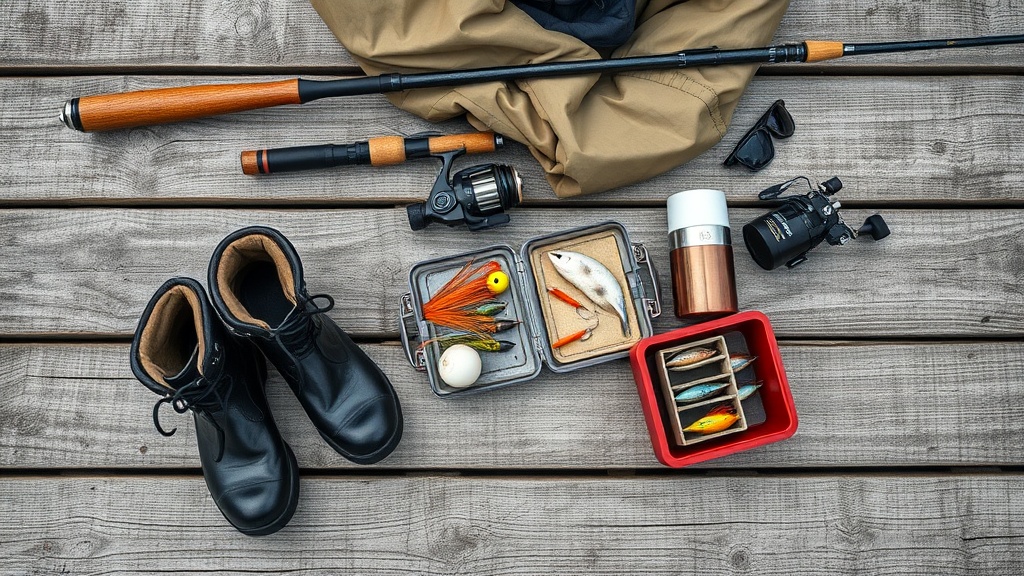
WHAT TO PACK FOR AN ALASKA FISHING TRIP: THE COMPLETE CHECKLIST
Don't forget anything. This Alaska fishing packing list covers clothing, gear, documents, and nice-to-haves for your Kenai River trip.
READ MORE