KENAI RIVER SILVER SALMON FISHING: COMPLETE 2026 GUIDE
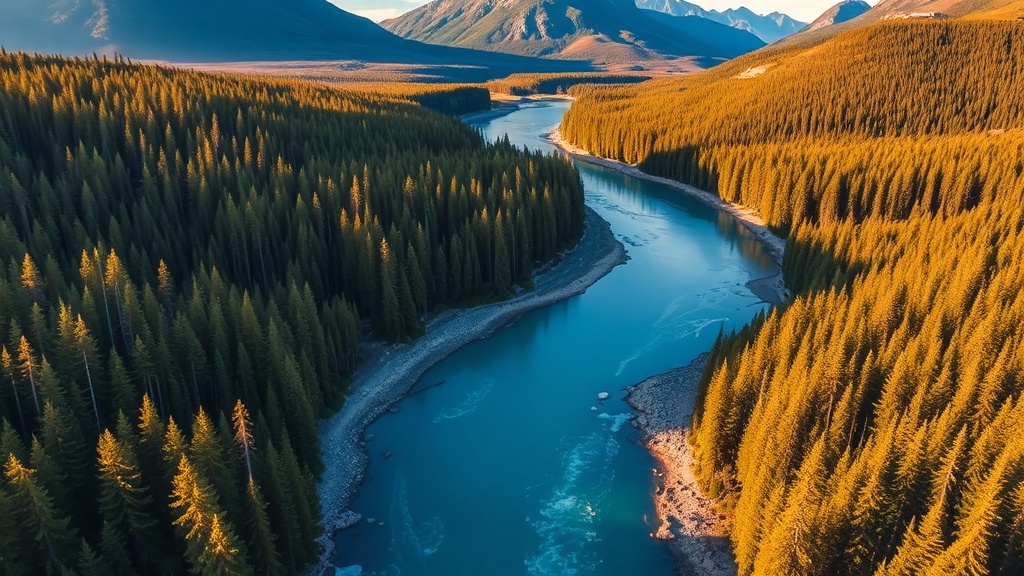
WHY SILVER SALMON ARE THE MOST FUN FISH ON THE KENAI
If you ask ten Kenai River guides what their favorite fish to target is, seven will say silver salmon. Sockeye are about volume. Kings are about trophy weight. Silvers (coho) are about fight — aggressive, acrobatic, and willing to chase a lure across the river. They're the most interactive salmon fishing you'll find in Alaska.
This guide covers everything about Kenai River silver salmon fishing in 2026: when they run, where to find them, what to throw at them, and how a typical silver day plays out. If you've only fished sockeye and you think you know Kenai salmon fishing, silvers will surprise you.
For the broader 2026 season context, see our Kenai River fishing report or the month-by-month season guide.
KENAI RIVER SILVER SALMON RUN TIMING 2026
Silver salmon (coho) enter the Kenai River in two distinct runs. Knowing which you're fishing changes your tactics and your expectations.
First run (early August through early September): The first run of silvers arrives in force starting the last week of July and peaks mid-August. These are typically the bigger, brighter fish of the season — ocean-fresh, chrome-bright, and fighting hard. First-run silvers average 8 to 12 pounds with fish pushing 15+ in strong years.
Second run (mid-September through early October): A second push of silvers enters the river in mid-September and continues through early October. These fish are slightly smaller on average (6 to 10 pounds) but numbers are often good, and crowds have thinned significantly.
Why two runs? The Kenai supports both an early and late silver return, partly because of the sheer size of the drainage. Fish targeting different tributaries stage at different times.
2026 outlook: Silver forecasts for 2026 are in the healthy range based on preseason indicators. The fishery doesn't face the same regulatory pressure as Kenai River kings — silvers remain a strong, reliable target.
Best window to book: The second and third weeks of August consistently produce the most memorable silver days — first-run fish in peak condition, weather still mild, and a reasonable overlap with late sockeye and halibut offshore.
For week-by-week run timing, average size by run, and the three techniques that catch the most silvers on the middle Kenai, read our Silver Salmon Fishing on the Kenai River: Month-by-Month 2026 Guide.
WHERE TO FISH FOR SILVER SALMON ON THE KENAI
Silver salmon hold and travel differently than sockeye. They're less predictable and more aggressive — which is exactly why they're more fun.
Middle Kenai (Soldotna to Sterling): This is the most productive silver water on the river. Large holding pools, softer current seams along the banks, and tributary mouths create textbook coho water. Guided drift boat trips out of this stretch are the most effective way to cover the best holes.
Lower Kenai (Soldotna to the mouth): Strong fishing on the first run as fish move in from Cook Inlet. Bank access at Kenai City Dock and along the lower river produces well during peak tide-driven push days.
Upper Kenai (Cooper Landing area): Less traditional silver water but holds late-run fish in the upper system. More scenic, fewer crowds, and a different experience.
Fishing from a private cabin dock: Marlow's guests fish directly from their own riverfront docks. During silver run weeks, this is a genuine advantage — you can cast silvers at first light from your cabin deck without driving anywhere, and return for lunch without ever leaving the property. Learn about our riverfront cabins and guided salmon trips.
BEST TACTICS AND GEAR FOR KENAI SILVERS
Silvers eat. That's the short version. Unlike sockeye (which are primarily flossed with a weighted fly), silvers actively strike lures, flies, and bait. This makes silver fishing more dynamic and more satisfying.
Spinners (the bread-and-butter): A #4 or #5 Mepps or Vibrax in pink, chartreuse, or orange covers 80% of silver situations. Cast across and down, retrieve slow and steady, swing through the holding water. Silvers will often follow the spinner for several feet before hitting.
Plugs (for boat fishing): Back-trolled Kwikfish (K15-K16 in pink, orange, or chartreuse) in front of a weight pulled by a drift boat is a proven silver technique. This is guide-heavy water — the technique rewards someone who knows the holding seams.
Flies (for fly anglers): Flash flies, articulated streamers in pink/purple, and heavy tube flies swung on sink-tip lines produce well in low-light morning and evening periods. 8-weight rods with sink tips are standard.
Bait (where allowed): Cured salmon eggs under a bobber in slower holding water can be lights-out when it's legal for the stretch. Check current regulations — bait rules change by area and time of year on the Kenai.
Rod setup: 8.5 to 9 foot medium-heavy rod with 20-25 pound braid, 12-17 pound fluorocarbon leader. Silvers fight hard and jump — a softer tip helps keep them buttoned during aerial acrobatics.
Limits: Typical Kenai silver limits are 2-3 per day depending on area and emergency orders — check current ADF&G regs. Most guided days, anglers hit their limit by lunch during peak run weeks.
A TYPICAL SILVER DAY ON THE KENAI
5:30 AM: First light is your friend. Silvers hit hardest in the hour around dawn. From a Marlow's cabin you're fishing your own dock by 5:45 without leaving the property.
7:00 AM: Meet your guide at the boat launch. Quick coffee, tackle check, and push off. First drift of the day is often the most productive.
8:00 AM: First silver in the boat. Chrome-bright, 10 pounds, three jumps on the hookset. The guide laughs — this is why he loves this fish.
11:00 AM: Shore lunch on a Kenai gravel bar. Fresh silver fillet grilled on a camp stove with lemon. There is no better fishing lunch on earth.
2:00 PM: Back on the water. Afternoon bite slows briefly during sun-high, then picks up again around 3:30 as shadow creeps back over the holding water.
6:00 PM: Limit in the box. Back at the cabin, fish on the cleaning station within the hour, vacuum sealed before dinner.
7:30 PM: Grill dinner on the cabin deck. Silver that was swimming this morning is on your plate. The rest of the catch is in the freezer for the ride home.
This is why anglers come back. See our fishing packages or check cabin availability for August and September dates.
SILVER SALMON FAQ
What's the best month for silver salmon on the Kenai?
Mid-August through early September is the peak window for first-run silvers. Mid-September through early October produces the second run. Weather, fish size, and overall experience peak in the second and third weeks of August.
How big do Kenai River silvers get?
Kenai silvers average 8-12 pounds with fish to 15+ pounds common in strong years. They're smaller than kings but larger than sockeye, and they fight harder than both for their size.
Do I need a guide to fish silvers on the Kenai?
Silver fishing is more accessible than guided king fishing and often possible from bank access or a cabin dock. A guide dramatically improves your catch rate on a first trip — they know the holding water, the tactical windows, and they can read the river better than you can on day one.
What's the difference between silver and sockeye salmon on the Kenai?
Silvers actively bite lures and flies; sockeye are primarily flossed with weighted gear. Silvers fight harder and jump more; sockeye are more passive once hooked. Silvers eat better grilled or smoked; sockeye are the premium table fish. See our full king vs sockeye comparison for more context on Kenai salmon species.
How many silvers can I keep per day?
Typical limits are 2-3 silvers per day and 4-6 in possession on the Kenai, depending on the area and current emergency orders. Always check current ADF&G regulations before your trip — limits can change by emergency order mid-season.
YOUR ADVENTURE AWAITS
READY TO PLAN YOUR
KENAI RIVER TRIP?
Riverfront cabins with private fishing docks, all gear included, and guided trips coordinated for you. Your Alaska fishing trip starts here.
KEEP READING
RELATED POSTS
KENAI RIVER FISHING REPORT: MID-JULY 2026 (THE REDS ARE RUNNING)
Live Kenai River conditions for mid-July 2026. Sockeye counts are climbing toward peak, and one riverfront cabin just opened for July 16-31.
READ MORE KENAI RIVER FISHING SEASON 2026: MONTH-BY-MONTH GUIDE
Plan your 2026 Kenai River fishing trip with this month-by-month breakdown of salmon runs, trout seasons, and what to expect from May through October.
READ MORE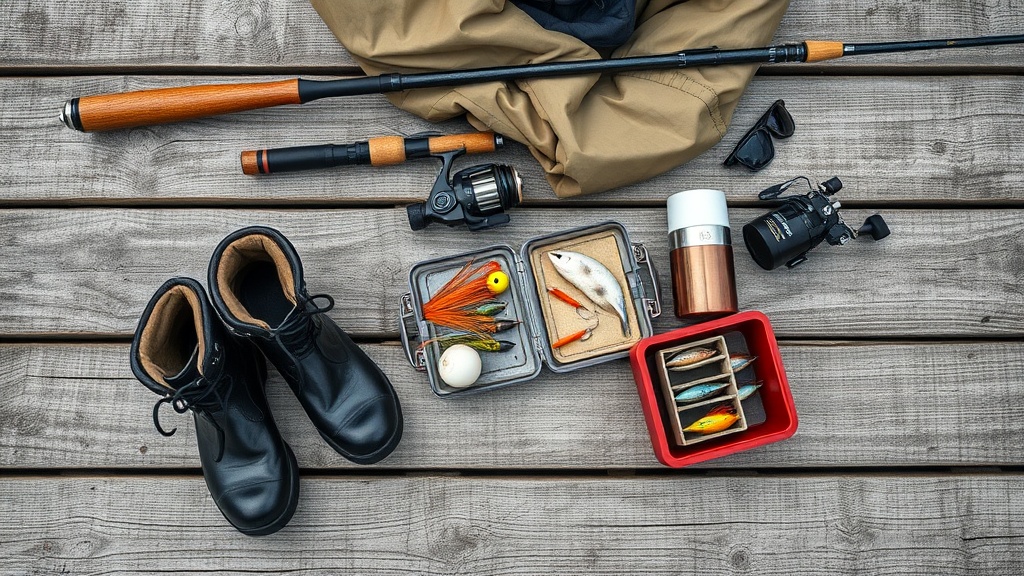
WHAT TO PACK FOR AN ALASKA FISHING TRIP: THE COMPLETE CHECKLIST
Don't forget anything. This Alaska fishing packing list covers clothing, gear, documents, and nice-to-haves for your Kenai River trip.
READ MORE