FLY FISHING THE KENAI RIVER: RAINBOW TROUT AND DOLLY VARDEN
WHY THE KENAI IS A WORLD-CLASS TROUT FISHERY
The Kenai River produces some of the largest wild rainbow trout in the world — not because of stocking or management, but because of one simple thing: salmon. Every summer, millions of Pacific salmon flood the Kenai to spawn. They bring with them a wave of protein — eggs, flesh, and nutrients — that feeds the river's resident rainbow trout and Dolly Varden year-round.
This annual salmon cycle has been repeating for thousands of years, and the result is a population of trout that grows faster, fights harder, and reaches sizes rarely seen in other rivers. Rainbow trout on the Kenai routinely measure 20 to 28 inches, with fish over 30 inches caught every week during peak season. These aren't hatchery fish or pellet-fed pond trout — they're wild, river-born predators built on a diet of salmon eggs and flesh.
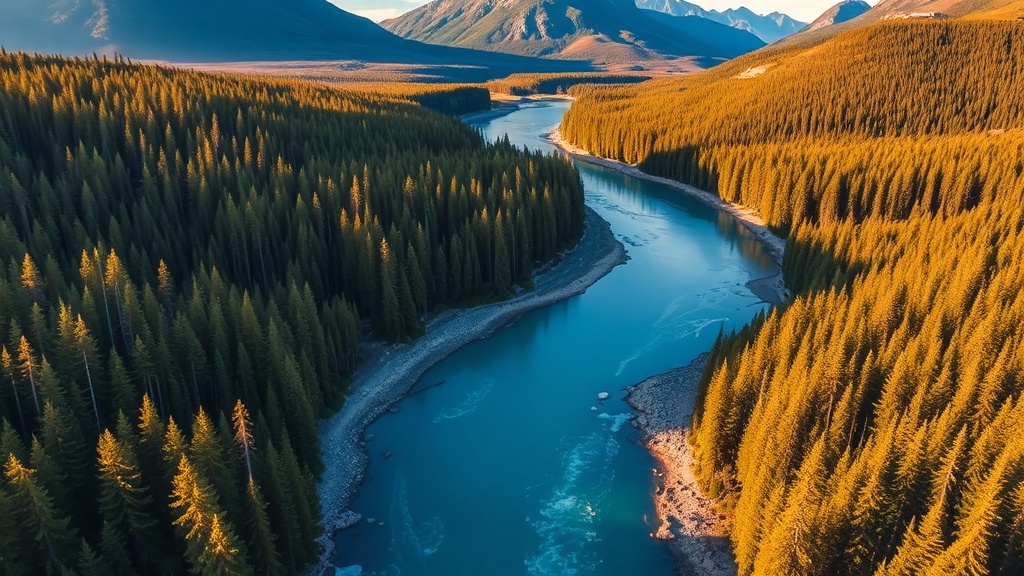
For fly anglers, the Kenai represents the pinnacle of freshwater trout fishing in North America. The techniques are accessible, the fish are aggressive, and the setting — a glacial river cutting through spruce forests with eagles overhead and bears on the banks — is unlike anything in the Lower 48. If you fly fish and you haven't fished the Kenai, it belongs on your list.
WHEN TO FLY FISH THE KENAI
Fly fishing is productive on the Kenai from May through October, but each month offers a distinctly different experience.
May: Season opener. Trout are hungry after winter and respond to streamers, leeches, and early-season nymphs. Insect hatches begin and dry fly fishing is possible on warm afternoons. Fewer anglers on the water means more solitude. Water can be high from snowmelt.
June and July: The salmon runs dominate. Most guided trips target salmon during these months, but trout are still active — especially behind spawning kings in late June. If your guide can slip in some trout casts between salmon drifts, take the opportunity.
August: Silver salmon provide excellent fly fishing on streamers and bead-head patterns. Trout start positioning behind spawning sockeye, picking off drifting eggs. The transition to fall fishing begins.
September: Peak trophy trout season. The salmon have spawned and the river is loaded with eggs and flesh. Trout gorge aggressively, hitting egg patterns, beads, and flesh flies with reckless takes. Fish are at their fattest and most colorful. This is the month to be here if trout are your priority. See our rainbow trout fishing page for more.
October: Late-season magic. Trout are still feeding hard, crowds are gone, and fall colors line the banks. Cooler temperatures and shorter days thin the competition. This is Alaska fly fishing at its most intimate.
TECHNIQUES: EGG PATTERNS, FLESH FLIES, AND STREAMERS
Fly fishing the Kenai for trout centers on three main techniques, each matched to what the fish are eating during your visit.
Egg patterns and beads: The go-to technique from August through October. Trout position in feeding lanes downstream of spawning salmon, intercepting drifting eggs. You dead-drift an egg pattern or bead under an indicator, keeping the fly in the feeding zone as naturally as possible. When the indicator dips or hesitates, set the hook. This technique is straightforward enough for beginners but endlessly refineable for experts — bead size, color, depth, and drift speed all matter.
Flesh flies: As salmon die after spawning, their decomposing flesh breaks apart and drifts downstream. Trout scavenge these protein-rich chunks aggressively. Flesh flies — typically white or pale pink bunny fur patterns — are swung or dead-drifted through slower runs and eddies where trout hang to scavenge. Flesh flies often produce the biggest fish of the day because they select for the largest, most dominant trout.
Streamers: Effective in May, June, and October when egg patterns aren't as dominant. Leech patterns, sculpins, and mouse imitations stripped through holding water draw violent reaction strikes from territorial trout. Streamer fishing is the most exciting visual experience — you often see the fish chase and eat.
Dry flies: Limited window but magical when it happens. Stonefly and caddis hatches in May and June produce surface feeding that can last hours. A 24-inch rainbow sipping dries off the surface of the Kenai is a sight you won't forget.
GEAR SETUP FOR KENAI TROUT
You don't need to bring your own gear — guides and Marlow's provide everything — but if you want to fish your own setup, here's what works on the Kenai.
Rod: A 6-weight is the workhorse for Kenai trout. It handles egg patterns, flesh flies, and small streamers with enough backbone to fight 25-inch fish in current. Bring a 7-weight if you plan to throw large streamers or fish in heavier water. A 5-weight works for dry fly fishing and smaller water.
Line: A weight-forward floating line covers 90 percent of Kenai trout fishing. For streamer work in deeper runs, a sink-tip line (type 3 or type 6) gets your fly down where the big fish hold. Most guides carry both.
Leader and tippet: 9-foot leaders tapered to 2X or 3X fluorocarbon for egg patterns and nymphs. Go lighter (4X) for dry flies and heavier (1X or 0X) for large streamers. Fluorocarbon sinks faster and is less visible than nylon — important in the Kenai's clear fall water.
Flies: Beads in sizes 6mm to 10mm (peach, orange, and chartreuse are standard Kenai colors). Egg patterns like Glo Bugs and Scrambled Eggs. Flesh flies in white and pale pink. Streamers: Articulated Leeches, Sculpins, and Mouse patterns. Your guide will have everything dialed in for current conditions.
Other gear: Indicator (Thingamabobber or similar), split shot in various sizes, nippers, hemostats, and a landing net. Polarized sunglasses are essential — you'll be sight-fishing to trout in clear water.
GUIDED DRIFT BOAT TRIPS
The most productive way to fly fish the Kenai for trout is from a guided drift boat. Your guide rows you through miles of prime trout water, reading the current, spotting fish, and positioning the boat for perfect presentations. A drift boat covers far more productive water than you could access from the bank in a full day.
A typical guided trout trip runs 6 to 8 hours. You'll launch in the morning from an access point near the lodge, float downstream through pools, riffles, and runs, and take out miles later. Your guide knows every seam and slot where trout hold — and more importantly, they know which spots are fishing best on that specific day based on water level, temperature, and how far into the salmon spawn the river is.
Drift boats are designed for fly fishing — low sides, flat decks, and swivel seats that let you cast to both banks as the boat moves downstream. Your guide controls the boat with oars and an anchor system, holding position when you hook a fish or when a particularly productive run deserves extra attention.
All fly rods, reels, flies, and terminal tackle are provided. If you've never fly fished before, your guide will teach you — the Kenai's aggressive fall trout make it one of the easiest places in the world to learn because the fish commit to well-presented flies without the finicky refusals you get on pressured rivers.
FISHING FROM THE BANK AT MARLOW'S
Between guided trips, Marlow's private docks and riverfront access offer some of the best bank-based fly fishing on the Kenai. Rainbow trout and Dolly Varden hold in the water right off our property, especially during the September and October egg drop when salmon are spawning upstream and eggs are drifting past.
You don't need a guide or a boat to catch quality trout at Marlow's. Grab a fly rod from the gear shed, walk down to your private dock, and start casting. The key is reading the water — look for current seams where fast water meets slow water, eddies behind rocks or structure, and the tailouts of pools where trout sit waiting for food to drift past.
In fall, fish egg patterns or beads dead-drifted under an indicator along the current seam closest to the dock. Let the fly swing downstream naturally and watch for the indicator to dip. Trout in this section of the Kenai are accustomed to feeding on drifting eggs, so a natural presentation is more important than a perfect cast.
Evening fishing from the docks can be exceptional. As light fades, larger trout move into shallower feeding lanes that they avoid during bright daylight. Some of the biggest fish our guests catch come from the docks at dusk — 24- to 28-inch rainbows that emerge from deeper holding water to feed in the low light.
It's one of the best perks of staying riverfront. No commute, no guide fee, no crowds — just you, your fly rod, and a river full of trout outside your cabin door.
DOLLY VARDEN: THE BONUS CATCH
Every Kenai River trout trip comes with a built-in bonus: Dolly Varden. These Arctic char share the same water as rainbow trout, feed on the same food sources, and hit the same flies. On a good day, you'll catch both species — and Dolly Varden are gorgeous fish in their own right.
Dolly Varden on the Kenai average 14 to 20 inches, with occasional fish pushing past 24. In fall, they develop brilliant spawning colors — olive backs, pink-orange bellies, and white-tipped fins that look hand-painted. They're slightly less powerful fighters than rainbows but make up for it with willingness — Dollies are aggressive, competitive feeders that don't hesitate to commit to a well-presented fly.
You'll find Dolly Varden stacked behind spawning salmon alongside rainbow trout, feeding on the same drifting eggs. They also respond well to streamers and flesh flies. In many spots on the Kenai, Dollies outnumber rainbows — so even on a slow trout day, you'll likely catch plenty of beautiful Dolly Varden to keep your rod bent.
The Kenai's rainbow trout are strictly catch and release, but Dolly Varden retention is allowed under current regulations (check ADF&G for current bag limits). Many anglers release them anyway — they're too beautiful to keep.
Whether you're targeting them specifically or they show up as a welcome surprise between rainbows, Dolly Varden are an essential part of the Kenai River fly fishing experience. Book your stay and come see for yourself.
YOUR ADVENTURE AWAITS
READY TO PLAN YOUR
KENAI RIVER TRIP?
Riverfront cabins with private fishing docks, all gear included, and guided trips coordinated for you. Your Alaska fishing trip starts here.
KEEP READING
RELATED POSTS
KENAI RIVER FISHING REPORT: MID-JULY 2026
Kenai River sockeye count through July 10, 2026: 79,000+ fish past the Mile 19 sonar and 11,000+ in one day, plus peak timing, the king closure and the daily limit. Season-to-date counts are on our live fish counts page.
READ MORE KENAI RIVER FISHING REPORT: PRE-SEASON 2026 OUTLOOK
2026 Kenai River fishing report: king salmon emergency orders, sockeye run forecast, early-season river conditions, and what anglers should book now for summer.
READ MORE KENAI RIVER FISHING SEASON 2026: MONTH-BY-MONTH GUIDE
Plan your 2026 Kenai River fishing trip with this month-by-month breakdown of salmon runs, trout seasons, and what to expect from May through October.
READ MORE